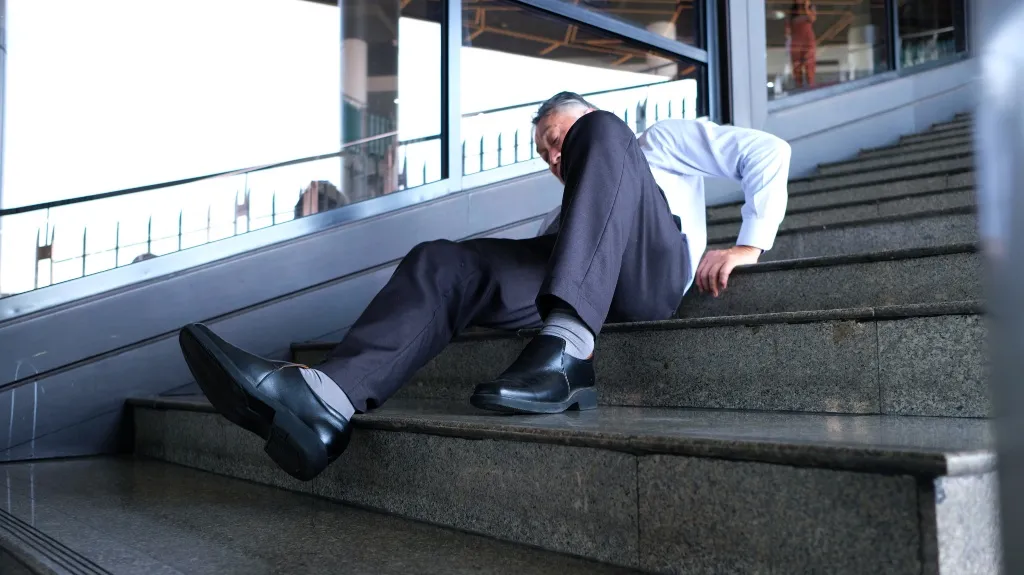
Slip and fall accidents can cause serious injuries, from broken bones to head trauma and long-term mobility problems. However, not every accident automatically leads to a successful personal injury claim. In Colorado, one legal concept that often becomes central in these cases is the “open and obvious” doctrine.
Property owners frequently use this defense to argue that an injured person should have recognized and avoided the hazard on their own. Understanding how this doctrine works can help accident victims better evaluate their legal options after a fall.
What is the “Open and Obvious” Doctrine?
The “open and obvious” doctrine is a legal principle used in premises liability cases. It usually refers to hazards that are considered so visible or apparent that a reasonable person would notice and avoid them.
Property owners could argue that because the danger was obvious, they shouldn’t be held responsible for the injuries that happened. Common examples include:
- Clearly visible ice or snow
- Large spills in open areas
- Uneven sidewalks or potholes
- Obvious obstacles or debris
The core problem is usually whether a reasonable person would have recognized the hazard before the injury happened.
How the Doctrine Impacts Slip and Fall Cases in Colorado
In Colorado slip and fall claims, the open and obvious doctrine can significantly impact whether a property owner is found liable. Insurance companies and defense attorneys frequently rely on this argument to reduce or deny claims.
However, the doctrine doesn’t automatically prevent an injured person from recovering compensation. Courts may still examine whether the property owner acted reasonably under the circumstances and whether additional precautions should have been taken.
Each case depends heavily on the specific facts surrounding the accident.
Property Owners Still Have Duties
Even if a hazard appears obvious, property owners may still have legal responsibilities to maintain safe premises. In some situations, owners are expected to anticipate that visitors may encounter dangerous conditions despite the visibility of the hazard.
For example, a property owner can still be liable if:
- The hazard created an unreasonable risk of harm
- Visitors had limited ability to avoid the danger
- The owner failed to provide adequate warnings or maintenance
The analysis commonly focuses on whether the property owner acted reasonably in maintaining the property.
Colorado’s Comparative Negligence Rule
Colorado follows a modified comparative negligence system, which can also impact slip and fall claims involving open and obvious hazards.
If the injured person is found partially responsible for failing to notice or avoid the hazard, their compensation can be reduced based on their percentage of fault. However, as long as they are less than 50% at fault, they can still recover damages.
This means that even if the open and obvious doctrine applies to some degree, a claim can still have value depending on the circumstances.
Common Situations Where Claims Are Denied
Slip and fall claims are usually denied when insurance companies believe that the hazard was easily avoidable or clearly visible. Common scenarios include ice in parking lots, wet floors with warning signs, cracked pavement or sidewalks, or objects left in walkways.
In these situations, insurers could argue that the injured person failed to exercise reasonable caution. However, liability is rarely determined by a single factor alone.

The Importance of Evidence
Strong evidence is essential when challenging an open and obvious defense. Photographs of the scene, witness statements, surveillance footage, and maintenance records can all help demonstrate what conditions were actually like at the time of this accident.
Medical records documenting the severity of injuries are also important in establishing damages. Gathering evidence quickly after a fall can strengthen a claim and help counter arguments made by the property owner or insurance company.
Why Legal Guidance Can Matter
Slip and fall cases involving the open and obvious doctrine can become legally complex, especially when fault is disputed. Working with an experienced law firm like Arckey & Steele can help injured individuals better understand their rights and legal options.