
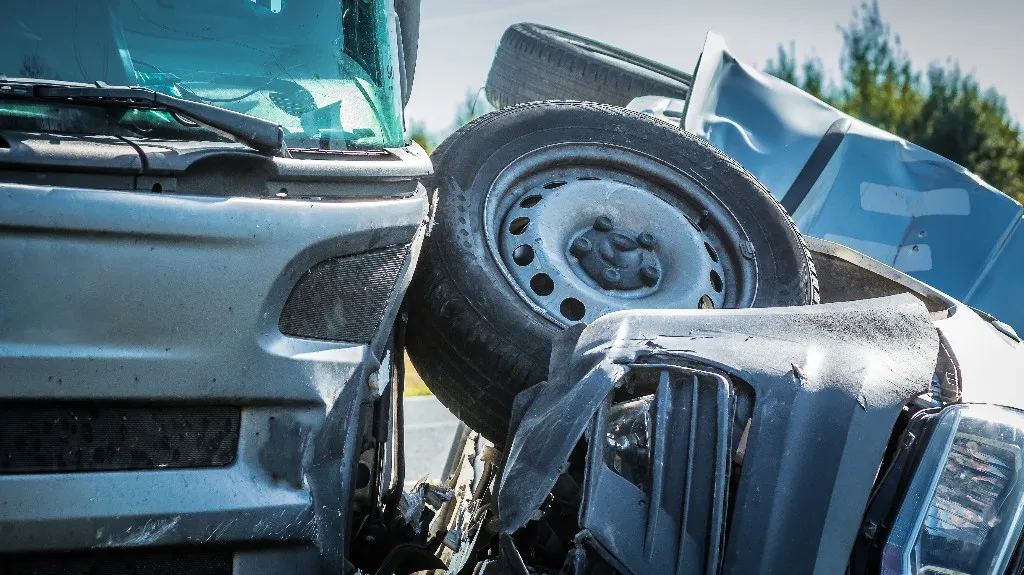
Truck accidents can cause devastating injuries and significant financial losses. Since commercial trucks are much larger and heavier than passenger vehicles, collisions usually result in more serious damage and long-term consequences.
After a truck accident in Colorado, many people want to know what their case could be worth. The answer depends on multiple factors, including the severity of the injuries, the available evidence, and the extent of financial and emotional damages. Understanding what influences a settlement can help you better evaluate your claim and protect your rights.
The Severity of Your Injuries
One of the most important factors impacting the value of a truck accident settlement is the seriousness of the injuries involved. More severe injuries usually lead to higher compensation because they often require extensive medical treatment and create lasting physical limitations.
Common truck accident injuries can include:
- Traumatic brain injuries
- Spinal cord injuries
- Internal injuries
- Long-term mobility issues
Cases involving permanent disability, chronic pain, or long-term medical care usually result in larger settlements due to the nature of the ongoing impact on the victim’s life.
Medical Expenses and Future Treatment
Medical costs play a major role in determining settlement value. Compensation can include reimbursement for emergency care, surgeries, hospitalization, rehabilitation, physical therapy, and prescription medication.
In many truck accidents, future medical needs also have to be considered. If the injuries require ongoing treatment or long-term care, those projected costs can significantly increase the value of the claim.
Detailed medical documentation is essential for proving the extent of these damages.
Lost Income and Reduced Earning Capacity
Truck accident injuries can prevent victims from working temporarily or even permanently. Settlement calculations usually take lost wages into account, including income already missed because of the accident.
In more serious cases, victims can also seek compensation for reduced earning capacity if their injuries limit their ability to return to the same job or earn the same income in the future.
The financial impact of lost employment opportunities can substantially affect the overall value of the case.
Pain and Suffering Damages
Not all damages are financial. Colorado law can also allow victims to recover compensation for non-economic losses like pain and suffering, emotional distress, and loss of enjoyment of life.
These damages are more subjective than medical bills or lost wages, but they can represent a significant portion of a settlement. This is especially the case when severe or life-changing injuries are involved.
Factors like the length of recovery, emotional trauma, and long-term physical limitations can all influence these calculations.
Liability and Evidence
The strength of the evidence can greatly impact the value of a truck accident claim. Clear evidence showing that the truck driver or trucking company was at fault often strengthens a victim’s negotiating position.
Evidence that’s usually taken into consideration includes police reports, witness statements, and surveillance footage.
In some cases, trucking companies can also be held liable for negligent hiring or violations of federal trucking regulations.
Strong evidence can help to establish fault and increase the likelihood of a favorable settlement.

Colorado’s Comparative Negligence Rule
Colorado follows a modified comparative negligence system. This means that if you’re found partially responsible for the accident, your compensation can be reduced by your percentage of fault.
For example, if you’re awarded $100,000 but found 20% at fault, your recovery would be reduced to $80,000. However, if you’re 50% or more at fault, you can be barred from recovering compensation entirely.
Because fault allocation can significantly affect settlement value, insurance companies often dispute liability aggressively in truck accident cases.
Why Legal Representation Matters
Truck accident cases are usually far more complex than standard car accident claims. Federal trucking regulations, corporate insurance policies, and extensive evidence requirements can make these cases difficult to handle alone.
Working with an experienced firm like Arckey & Steele can help victims better understand the true value of their case and protect their interests during negotiations.