
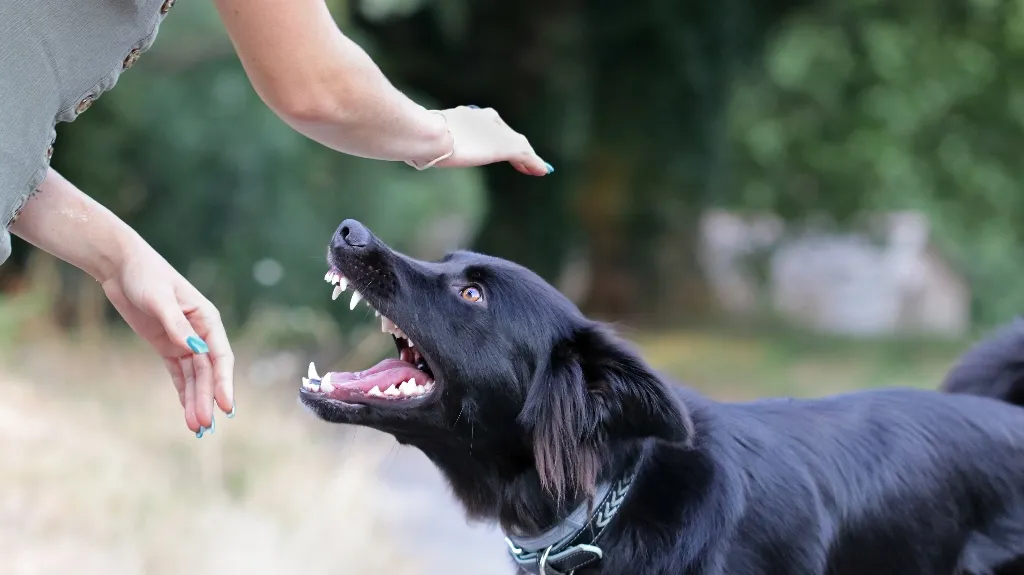
A dog bite can lead to serious physical injuries, emotional trauma, and unexpected financial burdens. If you’ve been bitten by a dog in Colorado, one of your first questions could be: what’s my case worth?
The answer ultimately depends on several factors. How severe are your injuries? What were the circumstances surrounding the attack? How does Colorado law apply to your situation? Understanding how these elements impact the value of a claim can help you better navigate through the entire process.
Colorado’s Dog Bite Laws
Colorado has specific laws that govern dog bite cases, including a strict liability standard in certain situations. This means that a dog owner could be held responsible for injuries caused by their dog, even if the dog has never shown aggressive behavior before.
However, strict liability in Colorado is typically limited to serious bodily injuries, like those involving a substantial risk of death, permanent disfigurement, or significant impairment. For less severe injuries, other legal theories like negligence, could apply.
Understanding which legal standard applies directly to your case is an important step in determining its value.
Types of Compensation Available
The value of a dog bite case is largely based on the types of damages that you can recover. These damages are intended to compensate you both financially and for the personal impact of the injury.
Compensation can include medical expenses, like emergency care, surgeries, and ongoing treatment. Lost wages can also be recovered if your injuries prevent you from working.
In addition, non-economic damages like pain and suffering, emotional distress, and scarring can heavily impact the overall value of a claim. In cases involving severe or permanent injuries, these damages can be substantial.
Factors That Influence Case Value
No two dog bite cases are exactly the same, and several factors can influence how much a claim ends up being worth.
The severity of the injury is often the most important factor. More serious injuries usually result in higher compensation due to increased medical costs and long-term effects. Permanent scarring or disfigurement can also increase the value of a claim.
Other factors include the clarity of liability, the availability of evidence, and whether the victim shares any responsibility for the incident. Insurance coverage and policy limits can also play a role in determining how much compensation is available.
The Role of Evidence in Maximizing Your Claim
Strong evidence is essential for establishing both liability and the extent of your damages. Medical records provide documentation of your injuries and treatment, and photographs can show the severity of the bite and any lasting effects.
Witness statements, animal control reports, and documentation of the dog’s history can also support your claim. The more comprehensive your evidence, the better positioned you are to pursue fair compensation.
Taking steps to preserve this information can make significant difference in the outcome of your case.
Can Your Compensation Be Reduced?

Colorado follows a modified comparative negligence rule. This means that if you’re found partially at fault for the incident, your compensation can be reduced by your percentage of fault.
For example, if it’s determined that you provoked the dog or ignored warning signs, this could impact your recovery. However, as long as you are less than 50% at fault, you could still be able to recover damages.
Understanding how fault is evaluated can help you better assess your case.
Why Legal Guidance Is Important
Determining the value of a dog bite can be complex, especially when multiple factors are involved. Working with an experienced firm like Arckey & Steele can help you better understand the options that you have.
An attorney can evaluate your case, gather the proper evidence, and negotiate with insurance companies on your behalf. They can also ensure that all potential damages are considered when pursuing compensation.
Having knowledgeable legal support can make a meaningful difference in the outcome of your claim.