
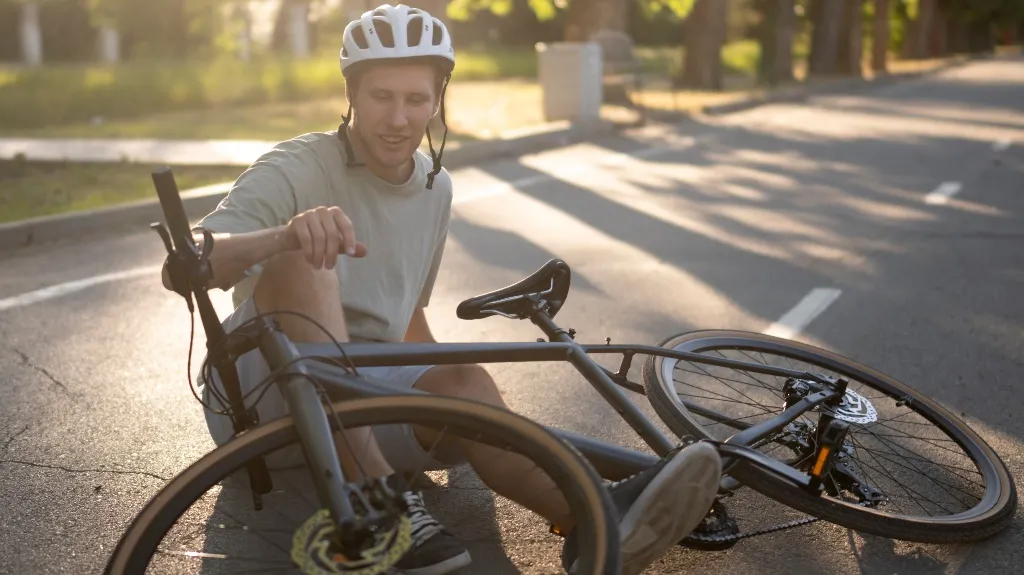
Bicycle accidents in Colorado can lead to serious injuries, especially when vehicles are involved. What many cyclists don’t realize is that state bike laws often determine whether an injury claim succeeds or fails. Rules about lane use, right-of-way, and visibility can directly impact fault and compensation. Insurance companies frequently rely on these laws to reduce payouts or deny claims altogether. Understanding how these regulations apply and how they’re interpreted in injury cases is essential for protecting your rights after a crash.
Understanding Claims
A bicycle injury claim arises when a cyclist is injured due to someone else’s negligence. This is typically a driver, property owner, or municipality. These claims often involve disputes over fault, especially because Colorado follows a modified comparative negligence rule. If you’re partially at fault, your compensation can be reduced, and if you’re 50% or more responsible, you might not recover any damages at all.
This is where bike laws become critical. Whether you followed traffic signals, used proper lighting, or positioned yourself correctly in the lane can directly impact your claim. Insurance companies usually focus on these details to try and shift blame onto the cyclist. Having a clear understanding of how these laws apply can make a meaningful difference in the outcome of your case.
TYPES OF CLAIMS WE HANDLE
Bicycle accidents happen under a wide range of conditions, and each scenario presents unique legal challenges.
Motor Vehicle Collisions
Crashes involving cars or trucks are among the most serious. These cases usually involve unsafe passing, distracted driving, or failure to yield. Colorado law requires drivers to give cyclists sufficient space and violations can strongly support a claim.
Dooring Accidents
Dooring occurs when a parked driver opens a door into a cyclist’s path. These cases usually depend on whether the driver checked for oncoming riders before opening the door, which is required under traffic safety rules.
Intersection Accidents
Intersections are a frequent site of bicycle crashes due to confusion over signals and right-of-way. Determining fault usually requires a detailed review of traffic laws, positioning, and available evidence.
Unsafe Road Conditions
Hazards such as potholes, debris, or poorly maintained roads can cause serious injuries. Claims involving government entities can apply and often include strict deadlines.
STEPS TO TAKE AFTER AN ACCIDENT
Early decisions can have a major impact on your injury claim.
Step 1 – Seek Medical Attention
Even if your injuries seem minor, prompt care ensures proper documentation and connects your condition to the accident.
Step 2 – Document the Scene
Take photos, gather witness information, and obtain a police report. Strong evidence can help establish fault.
Step 3 – Avoid Insurance Mistakes
Be cautious when speaking with insurance companies. Early statements or settlements may not reflect the full value of your claim.
Step 4 – Get Legal Guidance
Understanding how bike laws apply to your situation can help prevent costly mistakes and strengthen your case.
Recovery Options
Compensation depends on factors like injury severity, liability, and how Colorado law applies to your case. Since partial fault can reduce recovery, accurately assessing your claim is essential.
Economic Damages
These include measurable losses like medical expenses, lost income, and future care needs. Serious injuries can significantly increase these costs over time.
Non-Economic Damages
These cover pain and suffering, emotional distress, and reduced quality of life. They are often a substantial part of recovery in serious injury cases.
Factors That Affect Claim Value
Key factors include the extent of injuries, available evidence, degree of fault, and insurance coverage. Compliance with bike laws can also influence how claims are evaluated.
DEADLINES
In most cases, you have three years from the date of the bicycle accident involving a motor vehicle to file a claim. However, certain situations like claims against government entities could require action much sooner.
Delaying your claim can make it harder to gather evidence and prove liability. Witnesses can become unavailable, and key details can be lost over time. Acting early helps preserve your case and ensures that you meet all legal requirements.
PROCESS
Most personal injury claims follow a similar process, regardless of the circumstances.
Investigating the Accident
We gather evidence, review reports, and establish the facts needed to support your claim.
Filing the Claim
We determine liability and damages before submitting a claim to the appropriate parties and insurers.
Negotiating a Settlement
Many cases resolve through negotiation after the full value of injuries is understood.
Litigation, If Necessary

If a fair agreement can’t be reached, the case may proceed through the court system.
DECISION BRIDGE
Bicycle accident claims often involve complex liability issues and aggressive insurance tactics. Even small details like how a cyclist was positioned on the road can impact the outcome. When injuries are serious or fault is disputed, navigating the process alone can make it difficult to recover fair compensation.
Why Choose Us
- Small caseloads, focused attention: Each case receives dedicated time and resources.
- Direct access to your attorney: You work directly with the lawyer handling your case.
- Proven track record: Decades of combined experience handling serious injury cases.
- Our goal is simple: do fewer cases, and do them exceptionally well.
Not Sure If You Have a Case? Let’s Talk.
You don’t have to figure this out on your own. If you’re dealing with injuries, medical bills, or a disputed claim, getting clear guidance can make all the difference. Schedule a free consultation today.