
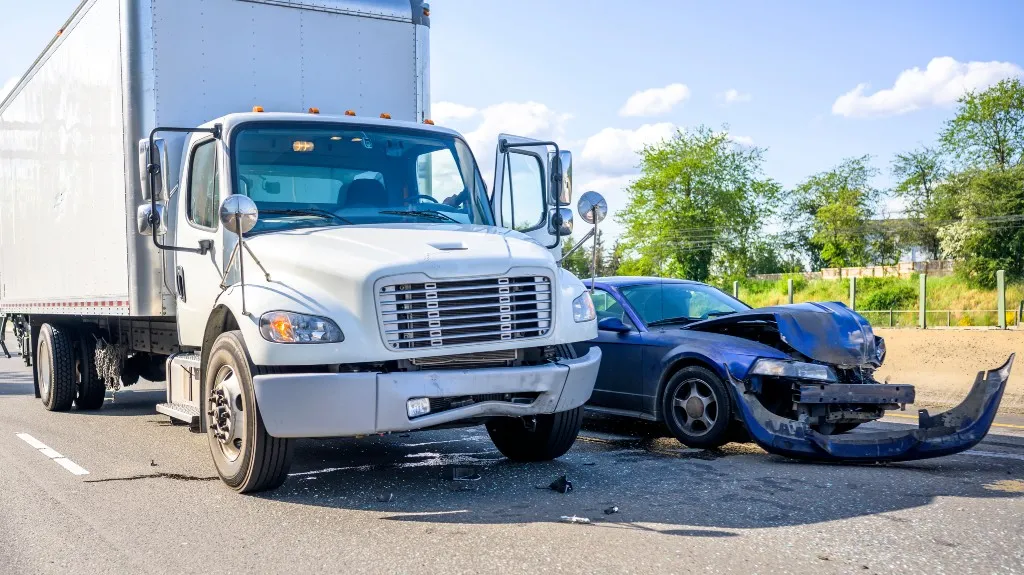
Commercial truck accidents often result in devastating injuries because of the size and weight of tractor-trailers. While eyewitness testimony and police reports are important, some of the most valuable evidence is stored inside the truck itself. Electronic data from a truck’s black box and hours of service (HOS) logs can provide insight into what happened before, during, and after a collision.
This information can help investigators determine whether driver fatigue, speeding, mechanical issues, or other factors contributed to the crash. Understanding what these records reveal can help accident victims appreciate why preserving evidence is so important after a serious truck accident.
What Is a Truck’s Black Box?
Most commercial trucks are equipped with an Event Data Recorder (EDR) or another electronic control module commonly referred to as a “black box.” These devices collect operational data about the truck that may be useful after a collision.
Depending on the vehicle and recording system, a black box may capture information such as vehicle speed, brake application, and cruise control settings.
This data can help investigators reconstruct the events leading up to an accident.
What Are Hours-of-Service Logs?
Federal regulations limit the number of hours commercial truck drivers may operate without taking required breaks. These rules are designed to reduce fatigue-related crashes.
Today, most commercial carriers use Electronic Logging Devices (ELDs) to record hours-of-service information automatically.
Hours-of-service logs usually document things like driving time, on and off-duty hours, rest breaks, and mileage information.
Reviewing these records can help determine whether a driver complied with federal safety regulations.
Why Hours-of-Service Records Matter
Driver fatigue is a significant concern in the trucking industry. Long hours behind the wheel can reduce reaction time, impair judgement, and increase the risk of serious accidents.
Hours-of-service records may reveal driving beyond legally permitted limits and missed rest breaks. There can also be inconsistencies between what’s been logged and what actually happened, which the hours-of-service records can help determine.
While a violation doesn’t automatically establish liability, it may become important evidence when determining whether negligence contributed to their collision.
What Can Black Box Data Reveal About the Crash?
Black box data often provides an objective record of how the truck was being operated immediately before impact.
For example, investigators may determine:
- Whether the truck was speeding
- If the driver attempted to brake
- How quickly the vehicle was traveling at impact
- Whether sudden steering maneuvers occurred
- If mechanical systems were functioning properly
This information can either support or contradict witness testimony and may help clarify disputed facts about how the accident occurred.
Why Evidence Must Be Preserved Quickly
Electronic trucking data isn’t always stored indefinitely. Some systems overwrite data after a certain period or after continued vehicle operation. In addition, records held be the trucking company may be subject to routine retention policies.
Because of this, acting promptly after a truck accident is important. Early legal intervention may help preserve:
- Black box data
- Electronic logging device records
- Driver records
- Maintenance documents
- Inspection reports
- Other electronically stored information
Delays may increase the risk that valuable evidence is lost or becomes more difficult to obtain.
What Compensation May Be Available?
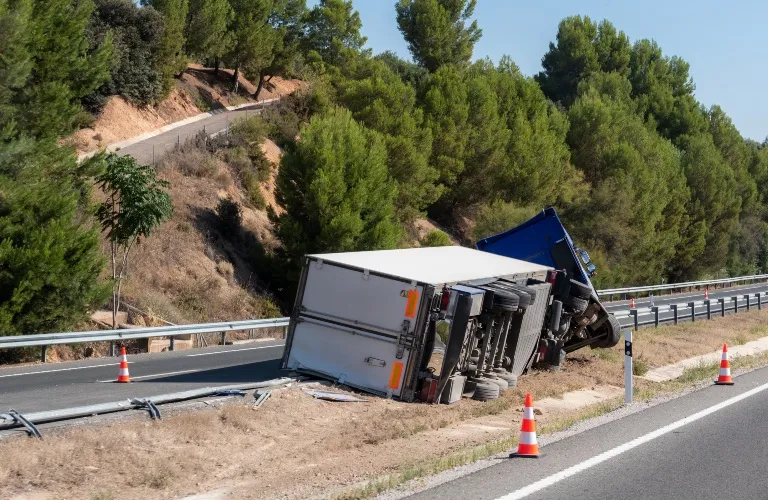
If a trucking company’s negligence caused the accident, injured victims may be entitled to seek compensation for their losses.
Common examples of damages can include medical expenses, lost wages, pain and suffering, or property damage.
The value of a claim depends on the severity of the injuries, the available evidence, and the specific facts of the case.
Why Legal Guidance Matters
Truck accident cases are often more complex than ordinary car accident claims because they involve federal safety regulations, electronic evidence, and multiple potentially liable parties. Working with Arckey & Steele can help injured victims understand their legal rights and take steps to preserve critical evidence. Make sure you reach out for your initial consultation as soon as possible.