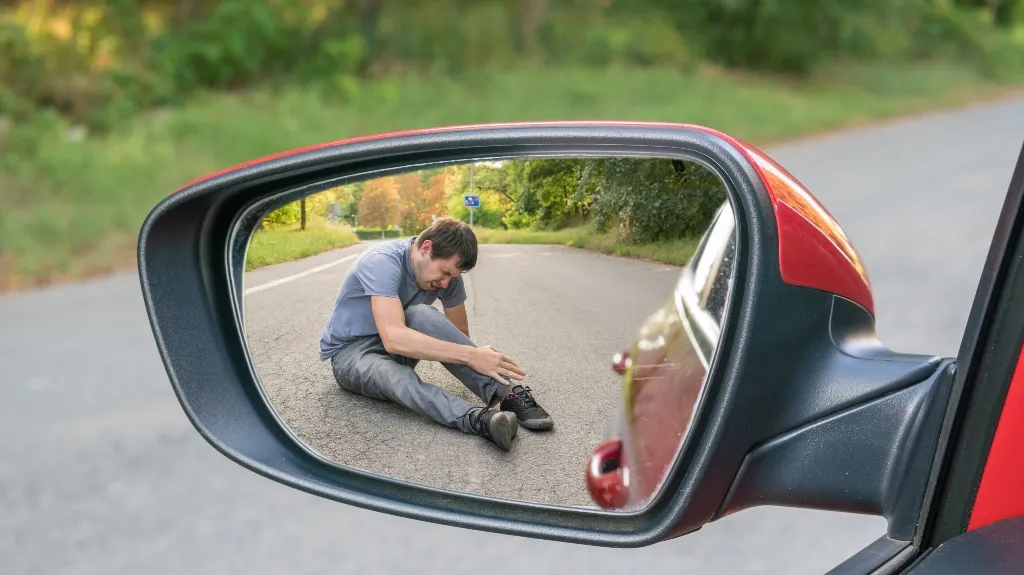
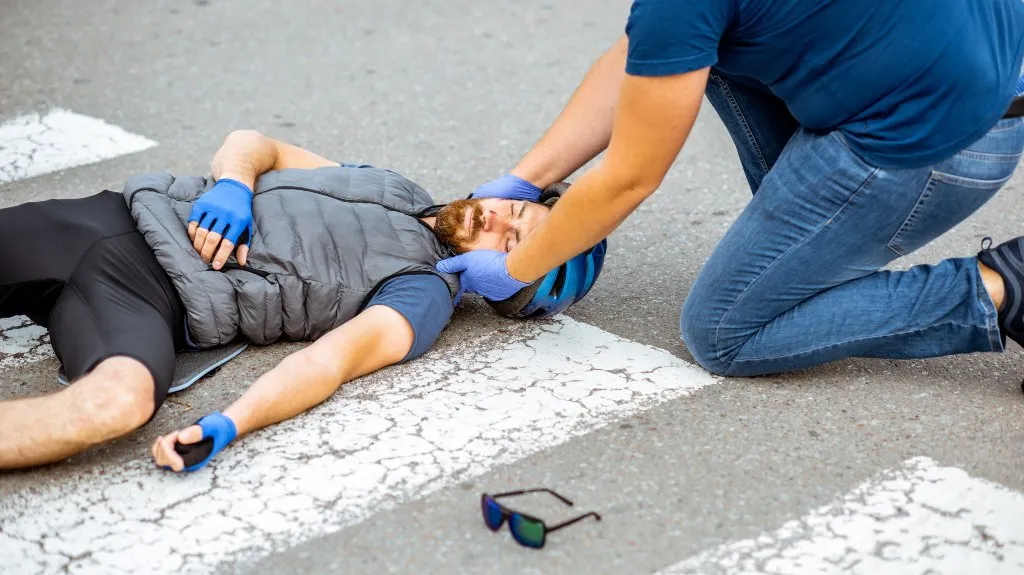
Pedestrian accidents often result in serious injuries since pedestrians have little protection against the force of a moving vehicle. When a collision occurs, one of the first questions is who had the right of way and who may be legally responsible for the accident.
In Colorado, fault in a pedestrian accident isn’t always automatic. While drivers have important responsibilities to watch for pedestrians, pedestrians must also follow traffic laws. Understanding how Colorado’s right-of-way laws work can help injured individuals better understand their rights after an accident.
Pedestrians Often Have the Right of Way
Colorado law provides pedestrians with certain protections, particularly when they’re crossing the street legally. Drivers are usually expected to exercise reasonable care and yield when pedestrians are lawfully using crosswalks or intersections.
This duty exists because pedestrians are especially vulnerable to serious injury. Drivers need to remain attentive and take reasonable steps to avoid collisions whenever possible.
However, having the right of way doesn’t mean that fault is automatically assigned to the driver in every situation.
Crosswalk Accidents and Driver Responsibilities
Many pedestrian accidents occur in marked or unmarked crosswalks. In these situations, drivers are usually required to yield to pedestrians who are crossing lawfully.
A driver may be found negligent if they:
- Fail to stop at a crosswalk
- Ignore traffic signals
- Speed through intersections
- Drive while distracted
Evidence showing that the driver failed to follow traffic laws can play a major role in establishing liability.
When Pedestrians May Share Fault
Pedestrians also have responsibilities under Colorado law. If a pedestrian ignores traffic signals, crosses outside of designated areas, or enters traffic unexpectedly, they may share responsibility for an accident.
Common examples of this happening would include crossing without a traffic signal, walking into traffic without sufficient time for drivers to react, or crossing in unsafe locations.
These situations don’t necessarily prevent an injured pedestrian from recovering compensation, but they can impact how fault is allocated.
Colorado’s Comparative Negligence Rule
Colorado follows a modified comparative negligence system . This means that fault can be shared between multiple people involved in an accident.
If a pedestrian is found partially responsible, any compensation awarded can be reduced by their percentage of fault. For example, if a pedestrian is awarded damages but found 20% responsible for the accident, the recovery would be reduced by that amount.
However, if the pedestrian is found to be 50% or more at fault, they can be barred from recovering any compensation.
Because of this rule, accurately determining fault is often one of the most important aspects of a pedestrian accident claim.
Evidence Used to Determine Fault
Determining who caused a pedestrian accident often requires a thorough investigation. Insurance companies, attorneys, and courts typically examine multiple forms of evidence like police reports and traffic camera footage.
Distracted and Impaired Driving Can Increase Liability
Driver behavior frequently plays a significant role in pedestrian accidents. Drivers who are texting, using mobile devices, speeding, or driving under the influence may face increased liability if their actions contributed to the collision.
Evidence of distracted or impaired driving can strengthen a pedestrian’s claim and may influence how fault is assigned.
Since pedestrian accidents typically happen quickly, obtaining evidence early is so important.
Serious Injuries Are Common in Pedestrian Accidents
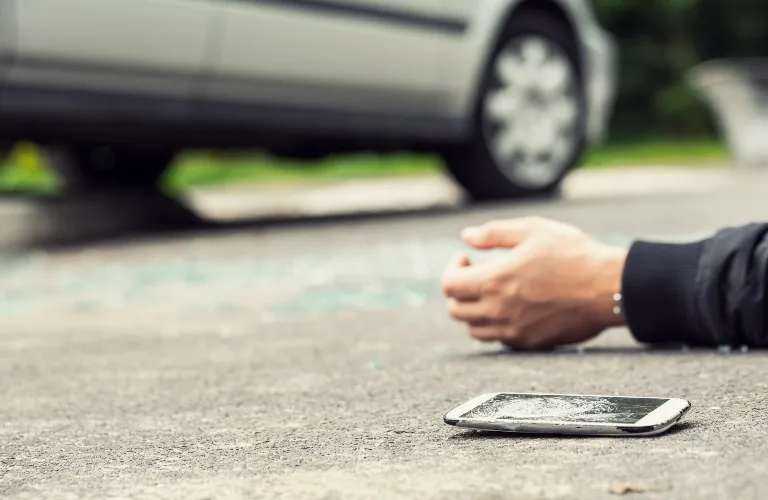
Unlike occupants of motor vehicles, pedestrians don’t have seat belts, airbags, or other protective features. As a result, pedestrian accidents frequently lead to severe injuries like traumatic brain injuries, broken bones, or spinal cord injuries.
These injuries often result in substantial medical expenses, lost income, and long-term rehabilitation needs.
Why Legal Guidance Can Help
Pedestrian accident cases often involve disputes over right-of-way, fault, and the extent of injuries. Working with an experienced firm like Arckey & Steele can help injured pedestrians understand their legal options and protect rights.
An attorney can investigate the accident, gather evidence, communicate with insurance companies, and pursue compensation for medical bills, lost wages, and other damages. Experienced legal representation can be particularly valuable when liability is contested.