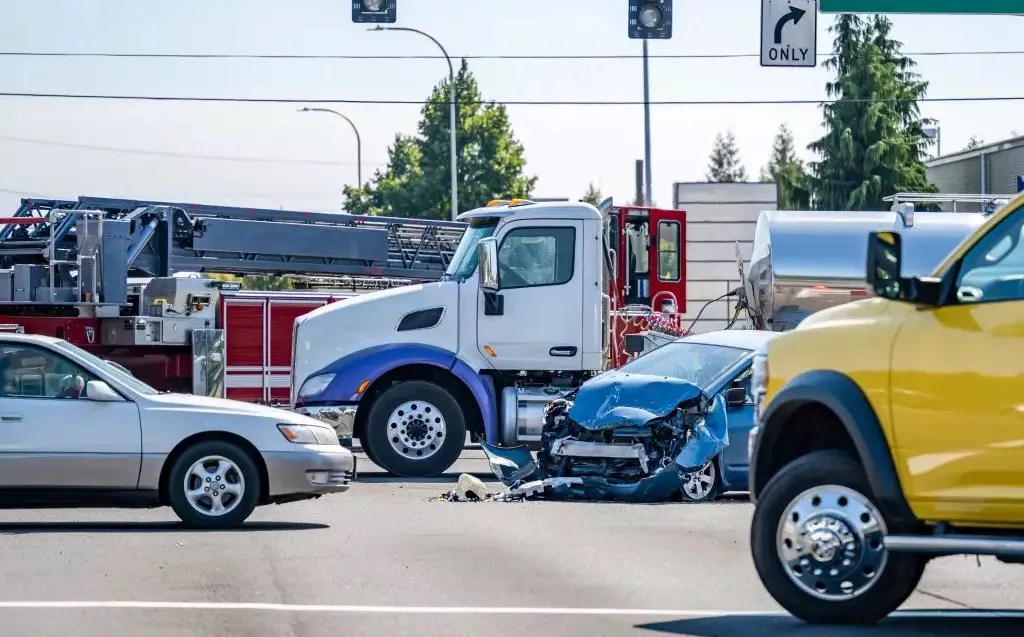
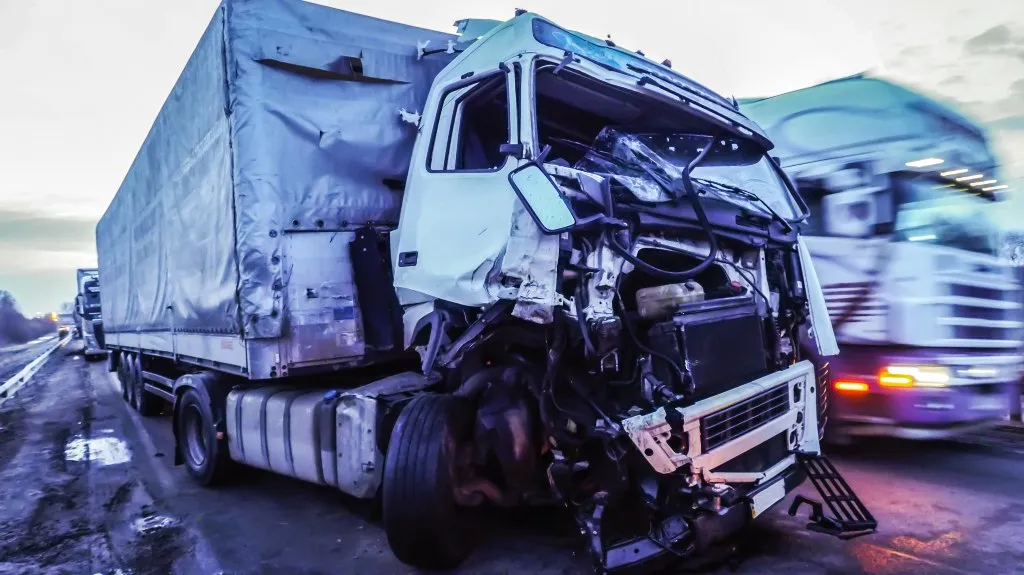
At an initial glance, a truck accident can seem similar to a typical car accident. However, commercial trucking collisions often involve far more complicated legal and factual issues. The size of commercial trucks, the severity of resulting injuries, and the regulations governing the trucking industry can all make these cases significantly different from ordinary motor vehicle claims.
In Colorado, truck accident victims often face unique challenges when seeking compensation. Understanding the federal regulations involved and the possibility of multiple liable parties is essential when evaluating a truck accident claim.
Federal Regulations Govern the Trucking Industry
Unlike ordinary drivers, commercial trucking companies and truck drivers need to comply with extensive federal regulations. These rules are primarily enforced by the Federal Motor Carrier Safety Administration and are designed to promote safety on the nation’s highways.
Federal regulations cover areas like:
- Hours-of-service limits for drivers
- Vehicle inspection and maintenance requirements
- Driver qualification standards
- Drug and alcohol testing
- Cargo loading procedures
When trucking companies or drivers violate these regulations, those violations can become important evidence in an injury claim.
Driver Fatigue Is a Common Issue
One reason federal regulations are in place is to reduce the risk of driver fatigue. Truck drivers often spend long hours on the road, and fatigue can significantly impair reaction times and judgement.
Hours-of-service rules limit the amount of time commercial drivers can operate their vehicles before taking required rest breaks. If a truck driver exceeds these limits and causes an accident, the violation can strengthen a victim’s claim.
Investigating driver logs, electronic logging devices, and company records is often an important part of truck accident litigation.
Trucking Companies May Share Liability
In many truck accident cases, liability extends beyond the driver. Trucking companies can sometimes be held responsible for accidents caused by their employees or business practices.
Potential grounds for liability may include:
- Negligent hiring practices
- Inadequate driver training
- Failure to supervise drivers
- Encouraging violations of safety regulations
- Poor vehicle maintenance
Since trucking companies often control many aspects of a driver’s work, their actions may become a central issue in the case.
Maintenance Companies and Repair Providers
Commercial trucks require inspections and maintenance to operate safely. When brakes fail, tires blow out, or mechanical systems malfunction, maintenance providers may be under scrutiny.
If a third-party repair company failed to properly inspect or repair a truck, it could potentially share responsibility for the accident. Maintenance records often become critical evidence when mechanical failures are suspected.
Determining whether poor maintenance is what contributed to a collision is usually something that requires a detailed investigation.
Cargo Loaders and Shipping Companies
Improperly loaded cargo can create serious dangers on the road. Unbalanced loads, overloaded trailers, or unsecured cargo can cause trucks to tip over, jackknife, or lose control.
In some situations, the company responsible for loading the truck may be liable if loading errors contributed to the accident. These cases often require an analysis of shipping records, cargo manifests, and loading procedures.
Since multiple businesses can be involved in transporting goods, identifying responsible parties can be more complicated than in a standard car accident case.
Colorado’s Comparative Negligence Rules Still Apply
Even in complex truck accident cases, Colorado’s modified comparative negligence rules can impact compensation. If an injured party is found partially responsible for the accident, their recovery may be reduced by their percentage of fault.
However, because trucking companies and commercial drivers are subject to extensive safety regulations, determining fault often requires a thorough investigation of all contributing factors.
Why Legal Representation Is Especially Important
Truck accident claims are often high-stakes cases involving severe injuries, multiple insurance policies, and several potentially liable parties. Successfully pursuing compensation frequently requires understanding both Colorado law and the federal regulations that govern the trucking industry.
Working with an experienced firm like Arckey & Steele can help accident victims identify responsible parties, preserve critical evidence, and navigate the complexities of commercial trucking litigation.